
What is homocysteine?
An amino acid that builds up when B-vitamin metabolism runs short.
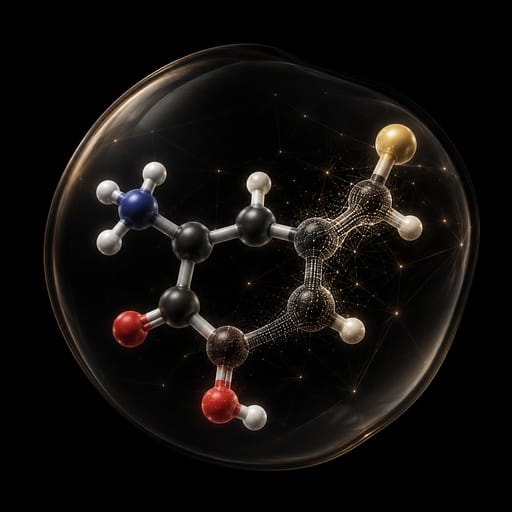
What it is
Homocysteine is an amino acid your body produces while processing methionine, which comes from dietary protein. Your cells normally recycle it or convert it into other substances. Those reactions rely on enzymes and several B vitamins, so the amount left in your blood partly reflects how those pathways are working.
The test measures circulating homocysteine rather than a vitamin itself. A higher value can reflect limited vitamin supply, but kidney function, inherited differences and other health factors can also influence it. You cannot tell which nutrient you need, or whether you need a supplement, from this result alone.
Why it matters
Elevated homocysteine is associated with vascular and cognitive risk, and it usually answers to folate, B12 and B6. That makes it a useful prompt to look at your nutrition and the rest of your health context. The association does not mean that lowering the number automatically prevents those outcomes.
Your food pattern can help explain a result, especially if you avoid broad groups of foods or have trouble absorbing nutrients. A clinician may consider more direct vitamin tests and kidney function when interpreting it. Repeating the marker after an identified issue is addressed can show whether the biochemical pattern has changed.
What moves it
- Eat folate-rich foods regularly. Leafy vegetables, beans, lentils and other plant foods help supply folate. Build them into meals you already enjoy so your intake stays consistent across your week.
- Check what a restricted diet leaves out. If you avoid animal foods, use appropriate fortified foods and discuss the nutrients your diet may miss. A deliberate plan is more useful than assuming every plant-based meal covers every need.
- Keep protein sources varied. Fish, eggs, dairy, beans and other sources bring different nutrients alongside protein. Choose the combination that fits your diet instead of relying heavily on a narrow set of foods.
- Reduce heavy drinking. Alcohol can interfere with your nutritional status and displace balanced meals. Reducing it helps you maintain the food pattern that supports normal vitamin-dependent metabolism.
- Use supplements for a clear reason. When a deficiency or dietary gap is established, discuss suitable supplementation with your clinician. Avoid stacking B-vitamin products simply to force the result downward.
In Gyroscope
Results land on your timeline automatically, this marker next to your sleep, food, training and weight. The second test turns a number into a trend, and the trend is what your coach reads.
Gyroscope gives lifestyle suggestions, not medical advice. Everything is easy to share with your doctor.
Related markers



Longevity Blood Test
Measure it at home
The whole panel from one kit, United States and Canada.
See the test