
What does cystatin C say about your kidneys?
A small protein your kidneys clear at a steady rate, so its level tracks how well they are filtering.
What it is
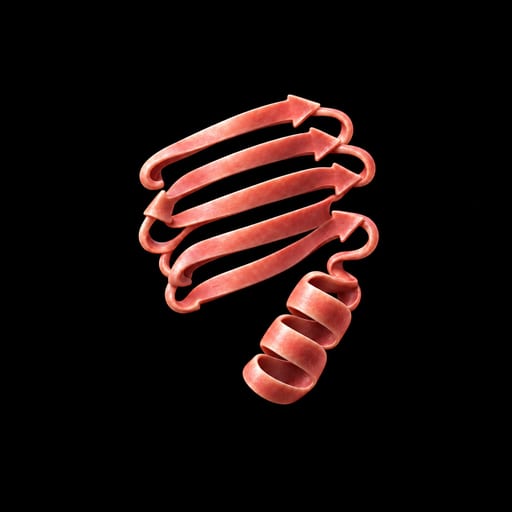
Cystatin C is a small protein that nearly every cell in your body makes at a steady pace. Your kidneys filter it out of the blood and break it down, so the amount left circulating depends almost entirely on how well that filtering is going. When filtration slows, cystatin C builds up before you feel anything.
It answers the same question as creatinine, the marker most panels use for kidney function, with less noise. Creatinine comes from muscle, so a lean person can look healthier than they are and a muscular one can look worse. Cystatin C does not depend on muscle mass, diet or training load, which is why newer kidney equations use it alongside creatinine, or on its own.
Why it matters
Kidney function declines silently for years; cystatin C reads filtration without the muscle-mass bias of creatinine, so early decline shows while it can still be slowed. A single result inside the reference range is reassuring. A result that creeps up from one test to the next is the signal worth acting on, and the trend is what the second test gives you.
The kidneys sit downstream of everything else on the panel. Years of high blood pressure, high blood sugar or low-grade inflammation land on their filters, so a rising cystatin C often confirms what the other markers were already hinting at. Read it next to HbA1c, hs-CRP and your blood pressure rather than on its own.
What moves it
- Keep blood pressure in range. Pressure is the single biggest lever on kidney filters over time. Sodium, sleep, alcohol and bodyweight all move it, and the app tracks it beside this marker.
- Keep blood sugar steady. High glucose damages the small vessels the filters are made of. HbA1c and fasting insulin on the same panel show whether that is a risk for you.
- Go easy on painkillers. Regular ibuprofen, naproxen and similar drugs reduce blood flow through the kidneys. Occasional use is fine for most people; a daily habit is worth a conversation with your doctor.
- Stay hydrated, not heroic. Filtration needs adequate fluid, and a hard training block in the heat can nudge the number up for a few days. Drink to thirst and test on an ordinary morning.
- Do not expect creatine or muscle to change it. Creatine supplements and heavy training raise creatinine, not cystatin C. That independence is the point of measuring it, so a stable result while you get stronger is the expected picture.
In Gyroscope
Results land on your timeline automatically, this marker next to your sleep, food, training and weight. The second test turns a number into a trend, and the trend is what your coach reads.
Gyroscope gives lifestyle suggestions, not medical advice. Everything is easy to share with your doctor.
Related markers



Longevity Blood Test
Measure it at home
The whole panel from one kit, United States and Canada.
See the test