
What is ferritin and what do low and high levels mean?
Your iron stores.
What it is
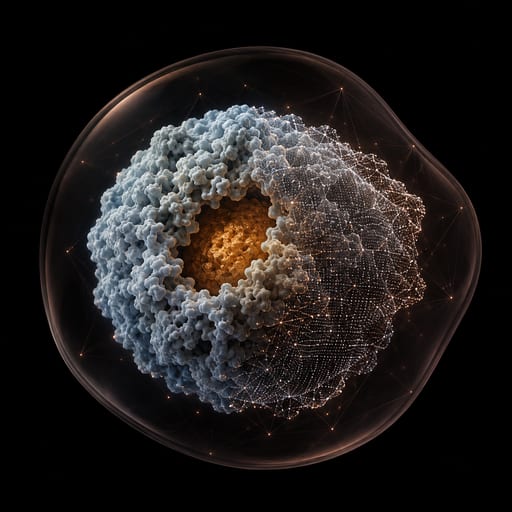
Ferritin is a protein that stores iron inside your cells and releases it when your body needs it. Iron helps you make hemoglobin, carry oxygen and support many enzymes. A small amount of ferritin circulates in your blood, where it can provide useful information about the iron held in reserve.
Your blood result usually reflects those stores, but ferritin also rises during inflammation. That means a high result can come from a process other than excess iron. You read it alongside your blood count, other iron measurements and recent health rather than assuming it directly measures all the iron in your body.
Why it matters
Low ferritin means fatigue, slow recovery and hair loss well before anemia; high ferritin can flag inflammation or iron overload. Your symptoms and the rest of your blood tests help clarify which explanation fits. Fatigue has many possible causes, so a ferritin result provides context rather than a complete answer.
Your iron balance depends on what you absorb and what you lose. Menstrual bleeding, blood donation and digestive problems can change that balance even when your meals look adequate. If the result is unexpected, understanding the cause matters more than immediately adding iron or trying to lower the value through changes to food alone.
What moves it
- Include iron sources in meals. Meat, seafood, beans, lentils and fortified foods can contribute iron. Choose foods that fit your diet and make them regular choices if your intake has been limited.
- Pair plant iron with vitamin C. Vegetables and fruit alongside beans or grains can help your body absorb plant iron. This gives an ordinary meal more nutritional value without making it complicated.
- Separate tea and coffee from iron-rich meals. These drinks can reduce absorption of plant iron when taken with food. If your stores are low, changing their timing may help your dietary iron count.
- Match food to your training. Endurance work and restrictive eating can make it harder to maintain iron balance. Eat enough to support your activity and recovery instead of treating fatigue as a reason to train harder.
- Avoid supplementing blindly. Iron supplements are useful in some situations and inappropriate in others. Discuss an abnormal result and any existing supplements before using iron to change the number.
In Gyroscope
Results land on your timeline automatically, this marker next to your sleep, food, training and weight. The second test turns a number into a trend, and the trend is what your coach reads.
Gyroscope gives lifestyle suggestions, not medical advice. Everything is easy to share with your doctor.
Related markers



Longevity Blood Test
Measure it at home
The whole panel from one kit, United States and Canada.
See the test