
What does a testosterone test measure?
Total testosterone, the main male sex hormone.
 Men
MenWhat it is
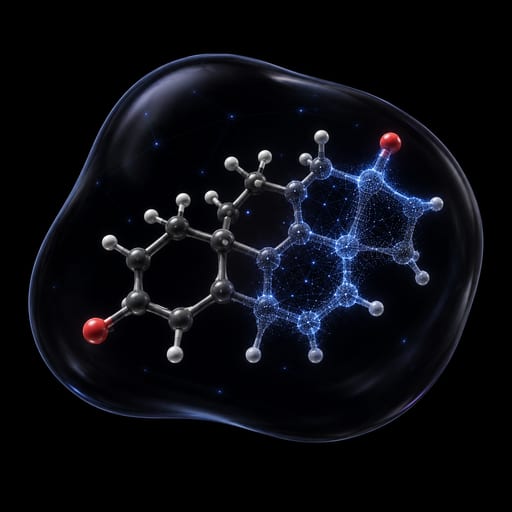
Testosterone is a hormone that helps regulate sexual function, muscle, bone and red blood cell production. Your testes produce most of it in men, under signals from your brain. Women also produce testosterone through the ovaries and adrenal glands, although their usual circulating levels are much lower.
A total testosterone test measures the hormone carried in your blood, including the portion attached to proteins and the smaller unbound portion. Changes in those binding proteins can affect the total. Your level also varies with time of day, sleep and recent illness, which makes sample timing part of the interpretation.
Why it matters
It drives muscle, bone, mood and drive, and it falls with poor sleep, excess bodyfat and overtraining. The result gives you context when changes in energy, recovery or sexual function are persistent. Those experiences can have other causes, so the number should not become an explanation for everything you feel.
A low result usually needs to be considered alongside symptoms and a comparable repeat measurement. Your clinician may look at binding proteins or related hormones to understand the pattern. You can use your sleep, training and weight history to add context while avoiding the assumption that the highest possible testosterone is the healthiest target.
What moves it
- Give sleep enough space. Keep a steady sleep schedule and make recovery a priority. Repeated short nights can affect hormone regulation as well as the energy you bring to training and everyday life.
- Reduce excess bodyfat gradually. When excess bodyfat is part of the picture, sustainable loss can support testosterone levels. Keep the approach moderate enough that you can maintain muscle and eat adequately.
- Strength train without exhausting yourself. Use consistent sessions that challenge your muscles and allow recovery. A demanding workout may temporarily change hormone levels without showing that your usual baseline has improved.
- Eat enough for your activity. Severe restriction can disrupt reproductive hormone signaling. Balanced meals with protein, carbohydrate and dietary fat help you sustain training instead of alternating between underfeeding and exhaustion.
- Reduce heavy drinking. Alcohol can interfere with reproductive function and undermine sleep. Cutting back supports the conditions your hormone system needs, even though the size of your response varies.
In Gyroscope
Results land on your timeline automatically, this marker next to your sleep, food, training and weight. The second test turns a number into a trend, and the trend is what your coach reads.
Gyroscope gives lifestyle suggestions, not medical advice. Everything is easy to share with your doctor.
Related markers



Longevity Blood Test
Measure it at home
The whole panel from one kit, United States and Canada.
See the test