
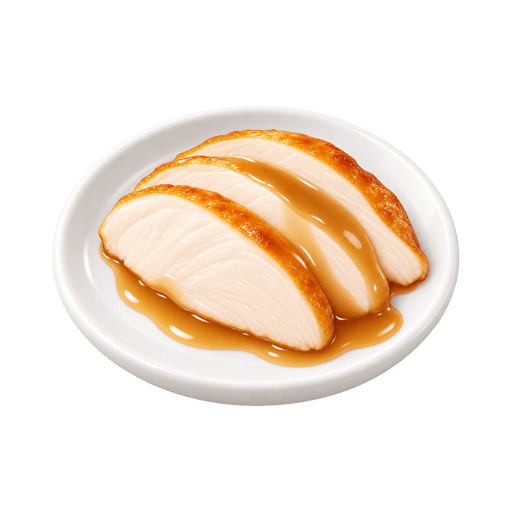
Turkey, roasted
A palm-sized serving of roast white meat turkey has 133 calories and 25 g of protein, with only 3 g of fat and almost half the day's selenium.
In a palm-sized piece, 85 g
133calories
- 25g protein
- 0g carbs
- 3g fat
- 0g fiber
- 0g added sugar
Our take
Roast turkey is about as lean as chicken breast, so it's an easy protein to cook once and eat for several meals. Sliced leftovers make a better sandwich than deli turkey, with 84 mg of sodium a palm against about 720 mg in five deli slices.
Vitamins and minerals
High in selenium, vitamin B6 and niacin (B3).
- Selenium25.7 mcg47%
- Vitamin B60.7 mg40%
- Niacin (B3)5.8 mg36%
- Zinc1.5 mg13%
- Vitamin B120.3 mcg13%
- Riboflavin (B2)0.1 mg8%
- Magnesium27.2 mg6%
- Iron1.1 mg6%
- Potassium259 mg6%
- Thiamin (B1)0.1 mg4%
- Folate8.5 mcg2%
- Vitamin D0.3 mcg1%
- Calcium16 mg1%
- Sodium84.2 mg4%
Share of the Daily Value in one serving. High in: 20% of the Daily Value or more in a serving (21 CFR 101.54(b)).
Tips
- Roast it to 165°F, checked in the thickest part of the breast and the innermost part of the thigh and wing.
- Thaw a frozen turkey in the fridge, and allow about 24 hours for every 4 to 5 pounds.
- Get leftovers into the fridge within 2 hours, and eat or freeze them within 3 to 4 days.
Swaps
 Chicken breastAlmost the same: 27 g of protein for 140 calories.
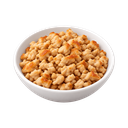 Ground turkeyFor burgers and chili: 23 g of protein for 200 calories, with more fat.
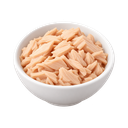 Tuna, canned22 g of protein for 99 calories, ready in the can.
 Easily log it with a photo in Food XRAY to see how it fits your day's targets.
Sources
- USDA Home and Garden Bulletin 72, Nutritive Value of Foods (2002), pp. 66-67, item 885: Turkey, roasted, meat only, light meat
- USDA FoodData Central 171491: Turkey, all classes, light meat, cooked, roasted
- USDA Food Safety and Inspection Service, Let's Talk Turkey: A Consumer Guide to Safely Roasting a Turkey
- USDA Food Safety and Inspection Service, Turkey Basics: Safe Thawing
- USDA Food Safety and Inspection Service, Leftovers and Food Safety